Source Women Winter Plush Slippers for Home, Office, and Travel
Explore 30 listings for women winter plush slippers featuring EVA and TPR soles with customizable logos. Buyers can compare sizes from 36 to 46, material options like suede and PU, and seasonal designs suitable for indoor use; compare the available evidence and request quotations based on your requirements.
Key considerations
Products List


Comprehensive Sourcing Guide
Women Winter Plush Slippers Sourcing Guide
Procuring women's winter plush slippers requires careful attention to material composition and seasonal suitability, as the primary function is thermal retention in indoor environments. The observed market data indicates a strong preference for plush insoles and outsoles made from EVA or TPR, which provide necessary cushioning and slip resistance on smooth indoor surfaces. Buyers must verify that the selected models explicitly state "Indoor" usage to ensure safety and performance alignment with intended domestic applications.
Commercial listings reveal significant variability in customization options, with many suppliers offering logo personalization and design modifications to meet specific brand requirements. The availability of "Hand Made" attributes alongside "Not Handmade" options suggests a spectrum of production methods that directly impact unit cost and consistency. Sourcing strategies should prioritize suppliers who clearly distinguish between these production modes to align with the buyer's quality expectations and volume requirements.
Product Scope and Observed Listing Signals
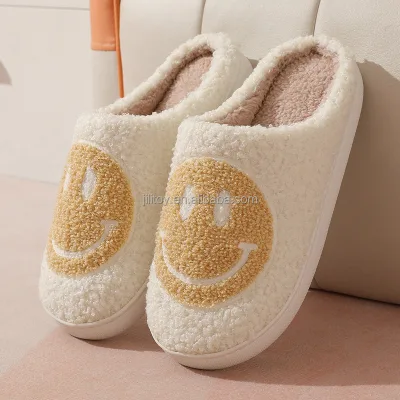
The product scope for women's winter plush slippers encompasses a wide range of styles, from cute and soft designs to high-quality fashion statements featuring printed logos. Observed listings highlight diverse color palettes including black, green, orange, and purple, allowing buyers to select options that match specific seasonal trends or brand aesthetics. The presence of "More Designs" and "Your Own Design" signals indicates that suppliers are generally flexible in accommodating unique style requests beyond standard catalog offerings.
Listing signals also reveal distinct variations in sizing and packaging standards that require immediate verification during the initial screening phase. While some models offer standard size ranges like 36-42, others provide fully customizable sizing to accommodate specific demographic needs. Packaging is typically described as 5-layer cartons or paper boxes, with individual units often sealed in OPP bags, a detail that influences both shipping costs and the final retail presentation of the product.
Technical Specifications to Verify
Buyers must rigorously verify the outsole material composition, as the market data shows a split between EVA and PVC options that affect durability and traction. EVA outsoles are generally preferred for their lightweight properties and shock absorption, while PVC variants may offer different cost structures or specific grip characteristics. Confirming the exact material specification is critical, as the wrong choice can lead to premature wear or safety issues on wet indoor surfaces.
The insole and filling materials are equally critical for ensuring the thermal comfort expected of winter footwear. The presence of plush insoles and EPE foam Texon fill suggests a focus on softness and insulation, but buyers should confirm the specific density and thickness of these layers. Additionally, verifying the upper material, which often includes suede fabric, PU, or cashmere blends, ensures the product meets the desired aesthetic and tactile standards for the target market.
Compliance and Safety Documentation
While specific certification names are not universally listed in the provided data, buyers must request documentation proving compliance with regional safety standards for indoor footwear. This includes verifying that materials used in the plush lining and outsoles are free from harmful substances and meet flammability requirements for textile products. The absence of explicit certification claims in listings necessitates a proactive approach where the buyer demands third-party test reports before finalizing any order.
Safety verification also extends to the structural integrity of the slippers, particularly regarding the bond between the upper and the sole. Buyers should ensure that the manufacturing process, whether hand-made or machine-assisted, adheres to quality control protocols that prevent delamination or sole separation during use. Requesting a sample for physical stress testing is a prudent step to validate that the product can withstand typical indoor wear without compromising the user's safety.
Cost Drivers and Commercial Terms
The cost of women's winter plush slippers is heavily influenced by the level of customization and the complexity of the design, with options for custom logos and sole shapes adding to the base price. The observed MOQ range of 1 to 2000 pieces indicates that suppliers cater to both small-batch buyers and large-scale retailers, allowing for flexible entry points depending on the buyer's inventory strategy. Understanding the price tier associated with different customization levels is essential for accurate budget forecasting.
Commercial terms regarding lead times and sample availability are critical for supply chain planning, as the data shows sample times ranging from 5 to 15 working days and delivery times of 25 to 35 days after deposit confirmation. Buyers must account for these timelines when planning seasonal launches to avoid stockouts during peak winter demand. Clarifying the payment schedule and the specific conditions for deposit release ensures a smooth transaction process and mitigates the risk of production delays.
Supplier Qualification and Quality Control
Supplier qualification should focus on their ability to maintain consistent quality across different production batches, especially given the mix of hand-made and machine-made options observed in the market. Buyers should assess the supplier's capacity to handle custom design requests without compromising the structural integrity of the plush materials or the precision of the sole attachment. A robust quality control system is necessary to ensure that every pair meets the specified standards for softness, warmth, and durability.
Quality control protocols must also address the consistency of packaging and labeling, as the data indicates variations in carton dimensions and packing methods. Ensuring that the 5-layer cartons or paper boxes are sturdy enough to protect the slippers during transit is vital for maintaining product condition upon arrival. Buyers should request a pre-shipment inspection report to verify that the final goods match the approved sample in terms of color, size, and material quality.
Long-Term Procurement Checks
Establishing a long-term procurement relationship requires regular audits of the supplier's production capabilities and their adherence to agreed-upon specifications over time. Buyers should monitor the consistency of material sourcing, particularly for plush and suede fabrics, to ensure that the thermal performance and aesthetic appeal remain stable across multiple orders. Continuous communication regarding design updates and market trends will help keep the product line relevant and competitive in the winter footwear sector.
Performance tracking should include feedback loops from end-users to identify any recurring issues with comfort, sizing, or durability that may not be apparent during initial sampling. By analyzing return rates and customer complaints, buyers can work with suppliers to refine the product design and manufacturing processes. This iterative approach ensures that the women's winter plush slippers continue to meet high standards of quality and customer satisfaction throughout the product lifecycle.
FAQs
What materials are used for the outsole of these slippers?
The outsoles are primarily made from EVA, TPR, or PVC materials to ensure durability and comfort. These options provide good traction and flexibility for indoor use. Buyers can select the specific sole material based on their preference for weight and grip, ensuring the slippers meet specific functional requirements for winter indoor wear.
Can the logo be customized for bulk orders?
Yes, the logo can be customized to meet your brand requirements. This customization is available for bulk orders, allowing you to add your specific design or text. It is recommended to confirm the details with the supplier before production begins to ensure the final product matches your branding expectations accurately.
What is the typical sample time for these slippers?
The sample time is typically 5-7 days after details are confirmed. For some specific models, it may take up to 15 working days. This period allows the manufacturer to prepare the prototype according to your specifications. You should confirm all design details promptly to avoid delays in receiving the sample for approval.
What is the minimum order quantity for these products?
The minimum order quantity varies, with some items requiring 100 pieces while others may accept just 1 piece. This flexibility allows buyers to test the market with small orders or place larger bulk purchases. You should check the specific MOQ for the model you are interested in to plan your inventory effectively.
How are the slippers packaged for shipping?
The slippers are typically packed one piece into an OPP bag, then placed in a carton. Some models use paper boxes for packaging. The cartons are usually 5-layer strength to ensure safety during transit. Standard carton dimensions are provided to help you calculate shipping volume and costs accurately for your logistics planning.
Are these slippers suitable for both men and women?
Yes, many of these plush slippers are designed as unisex products suitable for both men and women. Specific models are also available for female or male customers. The size ranges often cover 36-42 for women and 42-46 for men, ensuring a proper fit for different foot sizes across genders.